
How to Store Hay Cubes
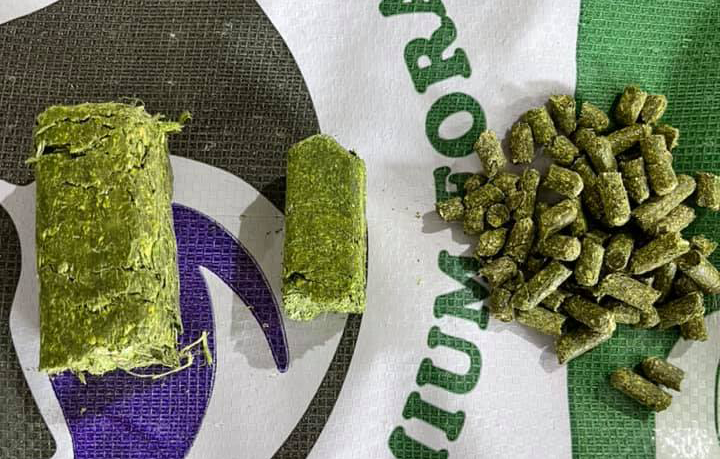
Proper storage keeps your CubeIt Hay cubes fresh, nutritious, and free from mold or pests. The good news: cubes are easier to store than traditional bales. Here's everything you need to know about storing compressed hay cubes.
Dry Storage Is the Priority
The most important rule: keep cubes dry. Store them in a barn, shed, garage, or under a covered structure. While cubes are denser than bales and resist moisture somewhat better, prolonged exposure to rain or standing water will degrade quality and can promote mold growth. A simple three-sided pole barn with a roof is sufficient in most climates. If you don't have covered storage, a quality tarp secured to allow airflow works as a temporary solution.
Pallet and Bag Handling
Place cubes on pallets, gravel, or a concrete pad — never directly on bare dirt or soil. Ground moisture wicks upward and can cause the bottom layer to mold. Pallets are ideal because they provide airflow underneath and are easy to source. Stack bags no more than 4–5 high on pallets to prevent crushing bottom bags. If using bulk totes, follow the manufacturer's stacking guidelines. Handle bags carefully to avoid tearing — a torn bag lets in moisture and pests.
Moisture Protection
Moisture is the main enemy of stored hay cubes. Check your storage area for roof leaks, ground drainage, and condensation issues before bringing in product. If your storage area has a dirt floor, consider laying down gravel or plastic sheeting under the pallets. In humid climates, increase airflow around the stacks — don't push pallets flush against walls. Seal opened bags between feedings to keep moisture out.
Rotation and Shelf Life
Use a first-in, first-out approach — feed older inventory before newer stock. Label pallets with receipt dates if you buy in bulk. Properly stored cubes (dry, elevated, covered) maintain quality for many months. Sealed bags last longer than opened ones. Exact shelf life depends on your storage conditions, climate, and humidity — there's no single number that applies everywhere. If cubes develop a musty smell, visible mold, or unusual discoloration, don't feed them.
Pest Prevention
Hay cubes can attract rodents if stored carelessly. Keep storage areas clean, sweep up loose material, and seal bags when not in use. Consider rodent bait stations or traps around your hay storage area. The density of cubes makes them harder for mice to nest in compared to loose bales, but prevention is still worth the effort. Inspect stacks regularly and address any signs of rodent activity early.
Frequently Asked Questions
Related Pages
Ready to try CubeIt Hay?
Find an authorized CubeIt Hay dealer near you, or contact us directly to discuss your needs.